
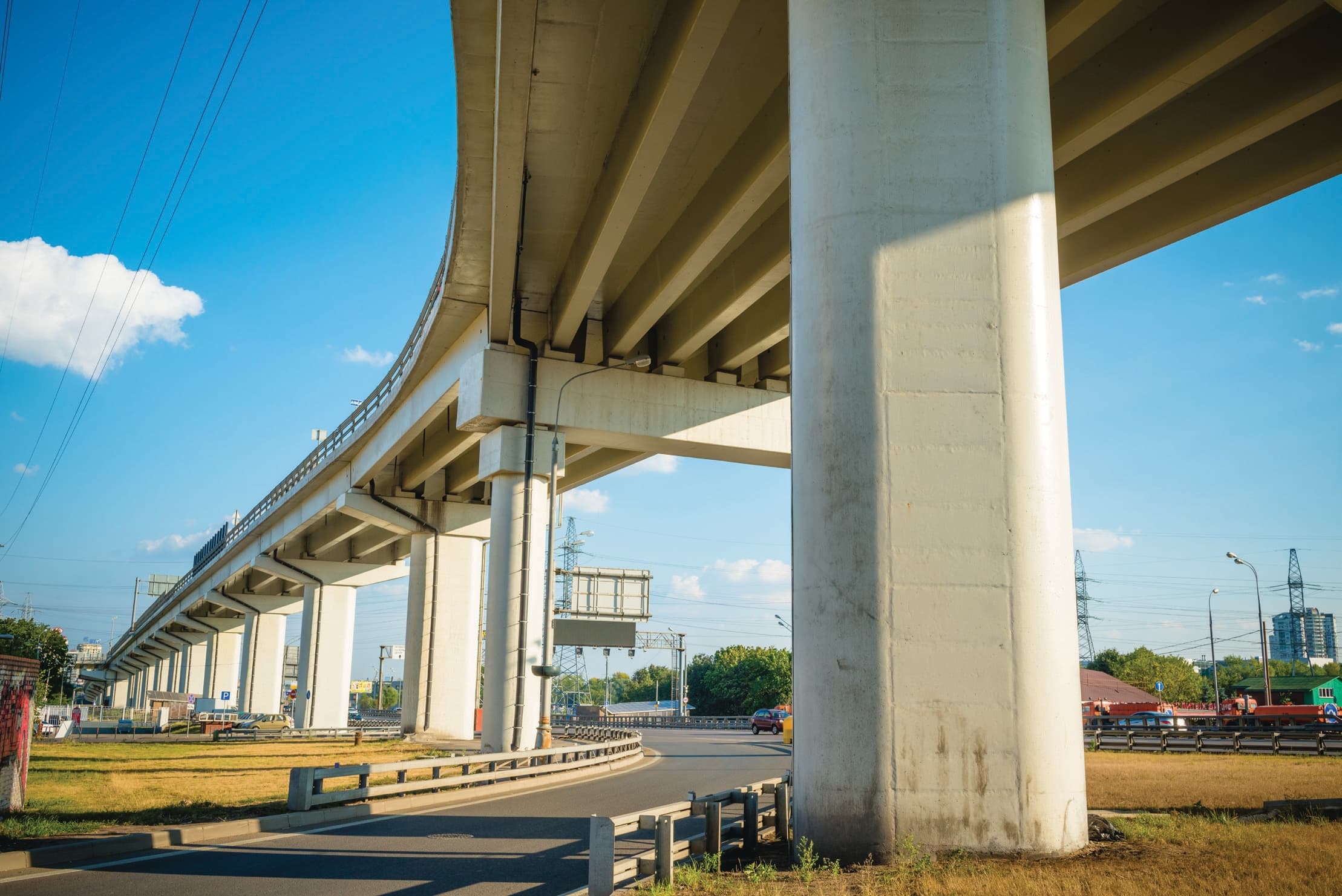
Anti Carbonation Coating
Self cross linking water-based acrylic protection for concrete and masonry.
An anti-carbonation coating is a protective layer applied to concrete and other masonry surfaces to prevent carbonation, a process that can lead to the corrosion of reinforced steel and structural damage. These coatings act as a barrier against carbon dioxide, water, and other environmental pollutants. This is self cross linking water-based acrylic.
Request TDS / QuoteKey Properties
Corrosion Prevention
By stopping carbon dioxide from penetrating the concrete, the coating maintains the concrete's alkalinity and prevents the reinforcing steel from rusting.
Weather And UV Resistance
Anti-carbonation coatings are highly durable and can withstand harsh outdoor conditions, including UV exposure and temperature fluctuations.
Crack Bridging
Elastomeric flexible versions of these coatings can bridge hairline cracks that may develop in the concrete, maintaining a solid, protective seal.
Breathability
The coatings allow water vapor to escape from the concrete, preventing moisture buildup without compromising the barrier against exterior contaminants.
Fungal And Algal Resistance
Many anti-carbonation coatings also have properties that resist the growth of algae and fungi, which help keep surfaces clean and aesthetically pleasing.
Aesthetic Enhancement
These coatings are available in various colors and finishes, which improves the appearance of a structure.
Common Applications / Use
Anti-carbonation coatings protect reinforced concrete by resisting carbonation, moisture ingress, weathering, fungi, and algae.
Prolongs Service Life
By preventing corrosion, the coating significantly extends the lifespan of the concrete structure.
Reduces Maintenance Costs
Proactive protection is far more cost-effective than expensive future repairs to corroded concrete.
Weather And UV Resistance
The coatings are durable and resistant to the damaging effects of harsh weather and UV radiation.
Aesthetic Improvement
The coatings are available in various colors and finishes, enhancing the building's appearance.
Environmental Protection
Added benefit of resistance to fungi and algae, which help keep the surface clean.
Surface Preparation
Cleaning: Use a pressure wash to remove all dirt, dust, and contaminants.
Priming: The use of a primer for optimal adhesion, especially on older or porous concrete.
Final Coat: The typical process of applying a two-coat system via brush, roller, or spray.
Understanding Concrete Carbonation
The Chemistry Of Carbonation
Atmospheric carbon dioxide reacts with the calcium hydroxide in concrete to form calcium carbonate.
Loss Of Alkalinity
This reaction lowers the pH of the concrete, which normally protects the steel reinforcement.
The Result Corrosion
Once the pH drops, the passive layer on the steel rebar breaks down, leading to rust formation.
Structural Damage
The expanding rust creates internal pressure that causes the concrete to crack and spall, compromising structural integrity.
How Anti Carbonation Coatings Work
The Barrier Effect
The coating creates a highly resistant shield against the ingress of CO2, water, and other corrosive agents like chlorides and sulfates.
Allowing Moisture Release
The coating is vapor-permeable, breathable, which allows moisture trapped within the concrete to escape without causing blistering.
Crack Bridging
Flexible elastomeric versions of these coatings can bridge hairline cracks, maintaining the protective barrier even as the structure settles or experiences minor movements.
Ready to specify Anti Carbonation?
Our technical team will help with system selection, TDS, and project support.