
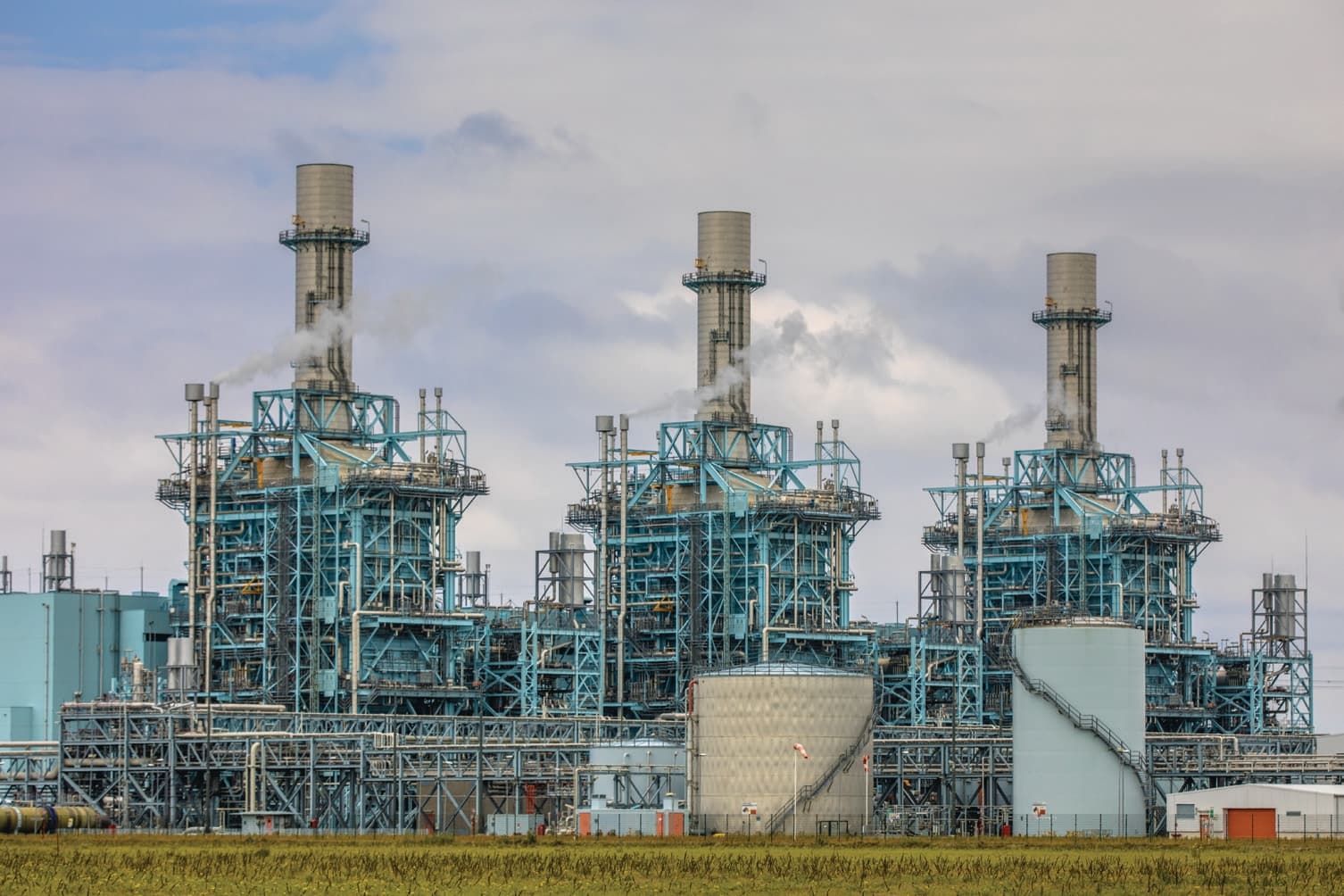
Product Systems

Driven by Research, Trusted by Industry

Francolor product systems are built for corrosion resistance, chemical protection, concrete durability, and long-service industrial performance.

Epoxy Glass Flake Coating
01

Epoxy Glass Flake Coating

Property
Corrosion Resistance
Property
High Impermeability
Epoxy Glass Flake

Epoxy Glass Flake Coating

An epoxy glass flake coating is a heavy-duty, two-part protective coating that uses an epoxy resin reinforced with thin, overlapping glass flakes. The glass flakes are flat, laminar particles that align parallel to the coated surface, forming a dense, impermeable barrier against corrosive elements. This creates a tortuous path that significantly slows the permeation of moisture, chemicals, and gases.

Key Properties

  • Exceptional Corrosion Resistance: The overlapping glass flakes act as a highly effective barrier against corrosive elements, providing long-term protection in harsh environments.
  • High Impermeability: The tortuous path created by the flakes prevents the ingress of water, water vapor, oxygen, and electrolytes to the substrate.
  • Excellent Chemical Resistance: The coatings are highly resistant to a wide range of corrosive chemicals, including acids, alkalis, and solvents.
  • Superior Abrasion Resistance: The addition of hard glass flakes increases the coating's surface toughness and resistance to wear and mechanical damage.

Common Applications/Use

Epoxy glass flake coatings are primarily used for their heavy-duty protective properties in industrial and marine settings.

  • Marine Industry: Used to protect the underwater hulls, ballast tanks, and splash zones of ships and offshore oil rigs from corrosion caused by saltwater.
  • Chemical Processing: Applied as a lining for storage tanks, vessels, pipes, and ducts to protect against chemical exposure and corrosion.
  • Oil And Gas Industry: Used on pipelines, refinery equipment, and offshore structures to withstand harsh conditions, abrasion, and corrosion.
  • Water Treatment Facilities: Protects tanks, equipment, and concrete structures from chemical attack and environmental degradation.

Preparation & System Notes

The powered tool prepared surface shall be free from loose mill scale, rust, paint, grease, oils, oxide film and dirt and dust. SSPC-SP 3 - Power tool cleaning.

Solvent cleaning is mostly used for removing all visible oil and grease from steel surfaces prior to any other surface preparation methods. SSPC SP-1.

Paint system selection guide: Epoxy glass flake primer - 1x 150 mic + Epoxy solvent free glass flake epoxy - 1x 400 mic.
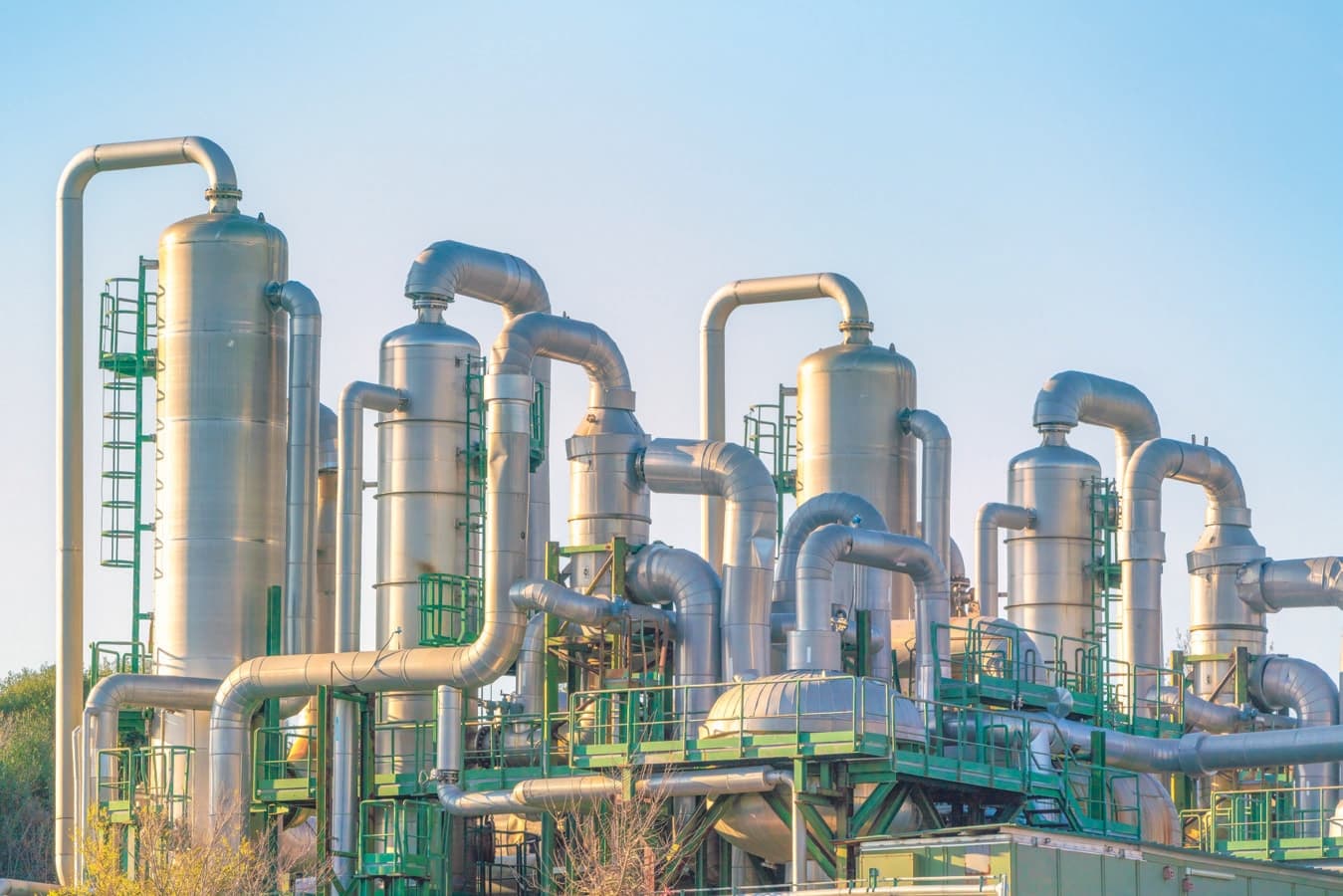

Vinyl Ester Glass Flake Coating
02

Vinyl Ester Glass Flake Coating

Property
Chemical Resistance
Property
Corrosion Protection
Vinyl Ester Glass Flake

Vinyl Ester Glass Flake Coating

A vinyl ester glass flake coating is a high-performance protective coating that combines a vinyl ester resin matrix with thin, flat glass flakes. It is prized for creating a tough, impermeable, and corrosion-resistant barrier, especially in aggressive chemical and high-temperature environments.

Key Properties

  • Superior Chemical Resistance: Vinyl ester resins are highly resistant to a broad range of chemicals, including strong acids, alkalis, and solvents. Novolac vinyl ester variations are available for even more aggressive chemical resistance.
  • Excellent Corrosion Protection: The glass flake reinforcement drastically reduces the coating's permeability, creating an impermeable barrier that prevents corrosion of steel and concrete substrates.
  • High Thermal Stability: These coatings can withstand significant temperature fluctuations and elevated temperatures without losing their protective properties.
  • Abrasion And Impact Resistance: The glass flakes add toughness and hardness to the resin, allowing the coating to withstand physical abuse, abrasion, and erosion.

Common Applications/Use

Due to their robust nature, vinyl ester glass flake coatings are used in demanding industrial settings.

  • Oil And Gas Industry: Used for internal and external coating of pipelines, storage tanks, and offshore platforms exposed to saltwater and corrosive chemicals.
  • Chemical Processing Plants: Protects reactors, vessels, and other equipment from corrosive acids, alkalis, and solvents.
  • Power Generation: Applied to flue gas desulfurization (FGD) systems, scrubbers, ducts, and chimney linings to protect against highly corrosive and high-temperature flue gases.
  • Marine Industry: Protects ship hulls, ballast tanks, and other submerged and offshore structures from corrosion in harsh marine environments.

Preparation & System Notes

The powered tool prepared surface shall be free from loose mill scale, rust, paint, grease, oils, oxide film and dirt and dust. SSPC-SP 3 - Power tool cleaning.

Solvent cleaning is mostly used for removing all visible oil and grease from steel surfaces prior to any other surface preparation methods. SSPC SP-1.

Paint system selection guide: Vinyl Ester glass flake primer - 1x 150 mic + Vinyl solvent free glass flake epoxy - 1x 400 mic.

Zinc Flake Coating
03

Zinc Flake Coating

Property
No Hydrogen Embrittlement
Property
Thin Uniform Layer
Zinc Flake

Zinc Flake Coating

Zinc flake coating is a non-electrolytic, high-performance, anti-corrosion coating system composed of zinc and aluminum flakes in an inorganic binder. It is a modern alternative to traditional methods like electroplating and hot-dip galvanizing, offering superior protection without the risk of hydrogen embrittlement.

Key Properties

  • Superior Corrosion Resistance: Zinc flake coatings use both barrier and sacrificial protection. The aluminum flakes act as a barrier, while the zinc flakes corrode first to protect the underlying steel. It offers significantly longer Salt Spray Test (SST) resistance compared to standard zinc plating.
  • Thin, Uniform Layer: The coating is very thin, typically 5 to 15 um, which prevents thread interference and ensures the proper function of nuts and bolts.
  • No Hydrogen Embrittlement: Since the process does not use an electric current, it completely eliminates the risk of hydrogen embrittlement, making it ideal for high-strength steel fasteners, springs, and other critical components.
  • High Temperature Resistance: Zinc flake coatings can withstand temperatures higher than many other coatings, making them suitable for automotive engine and exhaust components.

Common Applications/Use

The automotive sector is one of the largest users of zinc flake coatings, which have become a chromium-free alternative to electroplating.

  • High-Strength Fasteners: Zinc flake is essential for bolts, grade 10.9 and 12.9, nuts, and springs, which are prone to hydrogen embrittlement from electrolytic processes.
  • Chassis And Underbody Parts: Components exposed to harsh road conditions, such as road salt and moisture, are coated to ensure durability and extend vehicle lifespan.
  • Fuel And Brake Systems: Items like brake discs, calipers, brake lines, and fuel tanks are coated for corrosion and temperature resistance.
  • Engine Components: Parts in the engine compartment and exhaust systems benefit from the coating's high-temperature resistance.

Preparation & System Notes

Degreasing: This initial stage removes all organic contaminants, which are any oil-based soils.

Rust and scale removal: This step is essential for removing inorganic contaminants that are products of corrosion.

Anti Carbonation Coating
04

Anti Carbonation Coating

Property
CO2 Barrier
Property
Crack Bridging
Anti Carbonation

Anti Carbonation Coating

An anti-carbonation coating is a protective layer applied to concrete and other masonry surfaces to prevent carbonation, a process that can lead to the corrosion of reinforced steel and structural damage. These coatings act as a barrier against carbon dioxide, water, and other environmental pollutants. This is self cross linking water-based acrylic.

Key Properties

  • Corrosion Prevention: By stopping carbon dioxide from penetrating the concrete, the coating maintains the concrete's alkalinity and prevents the reinforcing steel from rusting.
  • Weather And UV Resistance: Anti-carbonation coatings are highly durable and can withstand harsh outdoor conditions, including UV exposure and temperature fluctuations.
  • Crack Bridging: Elastomeric flexible versions of these coatings can bridge hairline cracks that may develop in the concrete, maintaining a solid, protective seal.
  • Breathability: The coatings allow water vapor to escape from the concrete, preventing moisture buildup without compromising the barrier against exterior contaminants.

Common Applications/Use

Anti-carbonation coatings protect reinforced concrete by resisting carbonation, moisture ingress, weathering, fungi, and algae.

  • Prolongs Service Life: By preventing corrosion, the coating significantly extends the lifespan of the concrete structure.
  • Reduces Maintenance Costs: Proactive protection is far more cost-effective than expensive future repairs to corroded concrete.
  • Weather And UV Resistance: The coatings are durable and resistant to the damaging effects of harsh weather and UV radiation.
  • Aesthetic Improvement: The coatings are available in various colors and finishes, enhancing the building's appearance.

Preparation & System Notes

Cleaning: Use a pressure wash to remove all dirt, dust, and contaminants.

Priming: The use of a primer for optimal adhesion, especially on older or porous concrete.